
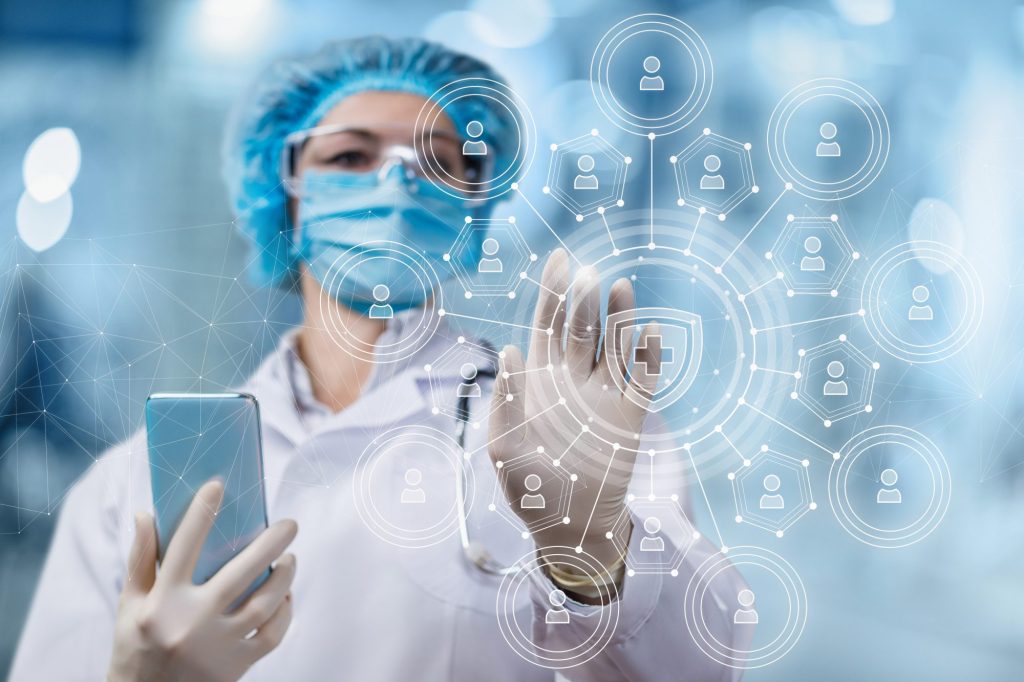
The medical field is in a state of constant evolution, with new discoveries, technologies, and trends shaping the landscape of healthcare today. From breakthrough treatments to innovative approaches in patient care, here are some of the key developments unfolding in the medical field right now.
- Telemedicine Revolution: The COVID-19 pandemic accelerated the adoption of telemedicine, allowing patients to access healthcare remotely through video consultations, phone calls, and mobile apps. This shift has transformed the way healthcare is delivered, offering greater convenience, accessibility, and efficiency for patients and providers alike.
- Precision Medicine: Advances in genomics and personalized medicine are revolutionizing treatment approaches, allowing healthcare providers to tailor therapies to individual patients based on their genetic makeup, lifestyle, and environmental factors. Precision medicine holds the promise of more effective treatments with fewer side effects, paving the way for a new era of targeted therapies.
- Artificial Intelligence and Machine Learning: AI and machine learning technologies are increasingly being integrated into healthcare systems to enhance diagnosis, treatment planning, and patient monitoring. From analyzing medical images to predicting disease progression, AI-powered tools hold the potential to improve clinical outcomes, streamline workflows, and reduce healthcare costs.
- Remote Patient Monitoring: With the rise of wearable devices and remote monitoring technologies, healthcare providers can now track patients’ vital signs, symptoms, and adherence to treatment plans outside of traditional clinical settings. This real-time data enables early detection of health issues, timely interventions, and improved management of chronic conditions.
- Health Equity and Access: Addressing disparities in healthcare access and outcomes has become a focal point within the medical field. Efforts to promote health equity include increasing access to care for underserved populations, reducing barriers to healthcare services, and addressing social determinants of health such as poverty, education, and housing.
- Mental Health Awareness and Support: The COVID-19 pandemic has brought mental health into sharp focus, highlighting the need for greater awareness, resources, and support services. Healthcare providers are increasingly integrating mental health screening, counseling, and treatment into primary care settings to address the growing demand for mental health services.
- Global Health Challenges: The ongoing fight against COVID-19, along with other global health threats such as antimicrobial resistance and climate change, requires coordinated efforts and international cooperation within the medical field. Collaboration among healthcare providers, researchers, policymakers, and communities is essential to address these complex challenges and safeguard public health on a global scale.
In conclusion, the medical field is experiencing a period of rapid change and innovation, driven by advancements in technology, shifts in healthcare delivery models, and a growing emphasis on health equity and access. By embracing these trends and developments, healthcare providers can continue to improve patient care, advance medical science, and ultimately, enhance the health and well-being of individuals and communities worldwide.
Very good https://is.gd/tpjNyL
Very good https://is.gd/N1ikS2
Awesome https://is.gd/N1ikS2
https://shorturl.fm/YvSxU
https://shorturl.fm/bODKa
https://shorturl.fm/m8ueY
https://shorturl.fm/FIJkD
https://shorturl.fm/XIZGD
https://shorturl.fm/hevfE
https://shorturl.fm/MVjF1
https://shorturl.fm/fSv4z
Share our products and watch your earnings grow—join our affiliate program!
https://shorturl.fm/nB3SY
https://shorturl.fm/GzL8U
https://shorturl.fm/aBxVe
https://shorturl.fm/PH6Aj
https://shorturl.fm/25MnM
https://shorturl.fm/eqCRh
https://shorturl.fm/CWJz2
https://shorturl.fm/uRFv4